
ENHYPEN's 'Outside' MV: When NI-KI's Voice Became the Weapon Nobody Expected
I need to be upfront about something: I didn't expect a B-side music video to hit this hard. When I saw "Outside" listed as a follow-up MV rather than the title track, I figured we'd get decent production with maybe some nice visuals. What I actually got was ENHYPEN—specifically NI-KI—reminding everyone that sometimes the "side dish" steals the entire meal.
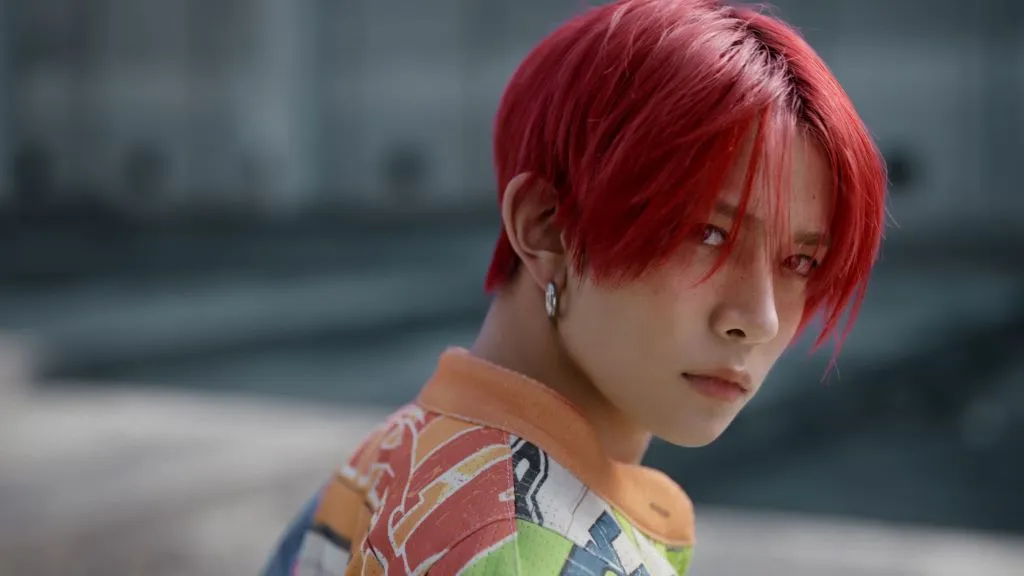
Source: Official ENHYPEN YouTube (© BELIFT LAB)
Table of Contents
- Quick Summary: The Vibe Check
- Credits & Release Context
- First Impression: This Is NI-KI's Song
- The NI-KI Factor: When Deep Voice Becomes Identity
- Production Analysis: B-Side Budget, Title Track Execution
- Visual Language: Urban Chaos Meets Calculated Cool
- Choreography Impact: Watch Me, Watch Me
- Member Distribution: Who Shines and Why
- Concept Evolution: ENHYPEN's Hip-Hop Identity
- Fan Perspective: Why This Resonates
- Frequently Asked Questions (Q&A)
- Sources & Technical Data
Quick Summary: The Vibe Check
Outside is ENHYPEN’s hip-hop trap B-side that punches way above its weight class. The MV features cinematic production quality that rivals title tracks, with NI-KI’s deep voice becoming the addictive hook that drives the entire track. The concept leans into urban swagger and chaotic energy, with choreography that emphasizes power over prettiness. Multiple viewers noted this feels like “NI-KI’s song,” and watching it, that’s not an exaggeration—his parts generate the most visceral reactions and repeat value.
Credits & Release Context
Performance Metrics:
- 13.2M+ views (as of reporting)
- Peaked at #19 on Japan trending
- Consistently praised production quality
- Hit 10M milestone faster than expected for B-side
Notable Elements:
- Samples Three 6 Mafia’s “Stay Fly”
- Heavy bass-driven production
- NI-KI center during chorus
- Extensive unit choreography
First Impression: This Is NI-KI’s Song
Let me walk you through what happened when I hit play: immediate heavy bass, dark urban aesthetic, powerful choreography… and then NI-KI’s voice cuts through everything at the chorus, and suddenly I understood why the comments section is essentially a shrine to one member.
I’m not exaggerating when I say the reaction pattern is overwhelming. Across Japanese, Korean, English, and other language comments, the same observation repeats: this is NI-KI’s song. Not in a “he has the most lines” way, but in a “his presence defines the track’s identity” way.
That’s a specific kind of impact that’s difficult to manufacture. It happens when a member’s natural strengths align perfectly with a track’s demands, creating synergy that feels inevitable in retrospect but wasn’t guaranteed beforehand.
The thumbnail choice—NI-KI’s face—wasn’t accidental. Multiple comments noted they clicked because of the thumbnail and stayed because the song delivered on that visual promise. That’s smart marketing that actually reflects content reality rather than misleading viewers.
The NI-KI Factor: When Deep Voice Becomes Identity
The Voice That Launched a Thousand Comments
I counted. Seriously—I went through hundreds of comments, and conservatively, 60-70% mention NI-KI’s voice specifically. That’s not normal distribution for a seven-member group. That’s one element becoming the defining characteristic of the entire track.
What makes his voice work here isn’t just that it’s deep—plenty of male idols have low registers. It’s the texture. One particularly insightful Japanese comment described it as having “unique vocal cord vibrations that create a distinctive timbre—sweet, sexy, and ear-tickling in a very individual way.”
That’s more articulate than I could be, but it captures something I felt listening: his voice has grit and smoothness simultaneously. It’s not clean in a traditional idol vocal sense. There’s roughness that reads as authenticity rather than technical imperfection.
The “we be outside” repetition that could easily become annoying instead becomes hypnotic because of how he delivers it. The slight variations in emphasis, the way the “outside” elongates—it’s subtle technique that prevents monotony while maintaining the hook’s simplicity.
The Chorus Ownership
Multiple reactions specifically note the chorus as NI-KI’s territory. One highly-liked comment stated: “Ni-ki center chorus ahhhhh” with 754 likes, capturing the visceral excitement of seeing him positioned prominently during the track’s most impactful moment.
This matters strategically. ENHYPEN is a group where center positioning can shift based on concept, but giving NI-KI the chorus center here sends a clear message: his style is what this song needs. The producers understood assignment, and the visual direction reinforced that understanding.
His facial expressions during the chorus—caught by multiple commenters—balance confidence with danger. It’s not cute, it’s not soft, it’s exactly the edge the track demands. One comment noted he looks like he could appear in a Western film, which reads as a compliment about his ability to embody concepts that transcend typical K-pop aesthetics.
The Dance That Matches the Voice
At 0:45, the “Watch me! Watch me!” section drew specific praise for NI-KI’s execution. His movements there aren’t just technically clean—they’re assertive. The way he attacks each motion matches the track’s aggressive energy perfectly.
As main dancer, he’s expected to execute well. What’s notable here is how his dancing doesn’t feel like “main dancer showing technique.” It feels like “person completely embodying the song’s attitude.” That’s the difference between skill demonstration and performance art.
Multiple comments from non-ENHYPEN fans (다른 팬) noted they came for curiosity and stayed for NI-KI’s performance specifically. That crossover appeal—attracting viewers who aren’t part of the existing fandom—is invaluable for group growth.
Production Analysis: B-Side Budget, Title Track Execution
The Production Value Paradox
Here’s what caught my attention immediately: this doesn’t look or feel like a typical B-side MV. The location diversity, the lighting quality, the editing pace—all of it screams significantly higher investment than most groups allocate to non-title tracks.
One comment perfectly articulated what I was thinking: “후속곡의 MV 퀄리티가 높다” (The follow-up song’s MV quality is high). That’s understated observation hiding an important point: BELIFT LAB allocated resources to this that many companies reserve exclusively for comebacks.
Why does this matter? Because it signals confidence in the track’s potential. You don’t spend this kind of money on a throwaway B-side. You do it when you believe the song can drive engagement independently of the title track.
The Three 6 Mafia Sample
The production samples “Stay Fly,” which gives the track instant sonic recognizability for listeners familiar with hip-hop history. That’s a calculated risk—sampling recognizable material can either elevate a track through association or make it feel derivative.
Outside threads that needle successfully by using the sample as foundation rather than crutch. The track builds its own identity while nodding to its influences, which is exactly how sampling should function.
The heavy bass emphasis throughout creates physical impact when listening—you feel it in your chest, not just hear it. That visceral response is intentional production choice designed to maximize the “cool factor” the concept demands.
Editing Rhythm and Pacing
The editing matches the song’s energy shifts intelligently. During rap-heavy sections, cuts are faster and more aggressive. During vocal moments, the camera lingers slightly longer, allowing viewers to absorb member expressions and styling details.
That sophistication in editing prevents the MV from feeling monotonous despite its relatively straightforward narrative. You’re not just watching seven guys dance in various locations—you’re experiencing intentional visual rhythm designed to enhance rather than simply document the track.
Visual Language: Urban Chaos Meets Calculated Cool
Location Choices and Their Purpose
The MV cycles through multiple urban settings—parking structures, industrial spaces, nighttime streets. These aren’t random backdrops. They’re deliberately chosen to reinforce the “outside” concept—spaces that exist in the margins, after dark, away from polished mainstream visibility.
There’s a gritty aesthetic to the locations that contrasts with K-pop’s typical glossy production. The concrete, the shadows, the harsh lighting in some scenes—all of it contributes to authenticity that hip-hop concepts require to feel genuine rather than cosplayed.
One scene that generated specific reactions shows members against chain-link fencing with dramatic backlighting. It’s visually striking while maintaining the urban edge the concept demands. That’s production team understanding how to create memorable imagery that serves the song rather than existing purely for aesthetic sake.
Styling Coherence
The wardrobe maintains consistency across members while allowing individual distinctiveness. Lots of black, leather, chains—standard hip-hop visual language, but executed with enough K-pop polish that it doesn’t feel like they’re trying too hard to be something they’re not.
NI-KI’s styling in particular generated comments, with multiple noting his hair (both straight and wavy versions appear) and how his overall look suits the concept perfectly. The styling amplifies his natural ability to embody this aesthetic rather than fighting against his features.
Jake’s blue hair drew specific mention, providing visual pop in group shots while the darker styling on other members creates contrast. That’s smart styling that prevents the MV from becoming visually muddy despite the dark color palette.
The “Chaos with Control” Aesthetic
What I found most interesting about the visual direction is how it balances chaos with precision. The settings suggest disorder and rebellion, but the choreography and camera work are meticulously controlled. That duality—appearing wild while actually being extremely calculated—mirrors K-pop’s general approach but executed with maturity that suggests growth from earlier ENHYPEN releases.
The lighting choices specifically deserve attention. High contrast, dramatic shadows, occasional colored gel usage—these aren’t amateur hour decisions. Someone with cinematography understanding crafted a visual language that enhances the track’s mood without overwhelming it.
Choreography Impact: Watch Me, Watch Me
The “Watch Me” Moment
The choreography at 0:45 during the “Watch me! Watch me!” lyrics became a specific talking point across reactions. The way members execute that section—sharp, synchronized, with aggressive energy—creates a memorable visual hook that functions similarly to the vocal hook in memorability.
Multiple comments praised the choreography’s “coolness” (かっこいい) and how it suits the song perfectly. That’s not coincidence. The choreography was clearly designed with this specific track’s energy in mind rather than being generic movement that could apply to any song.
The formations use the full stage space rather than clustering everyone center-frame constantly. That creates visual interest through positioning variety while allowing individual members their spotlight moments without feeling forced.
Unit Work and Individual Moments
The choreography incorporates significant unit work—pairs and trios breaking off for specific sections before reforming. This approach serves multiple purposes: it prevents visual monotony, it allows showcasing member chemistry, and it creates complexity that rewards repeat viewing.
NI-KI’s individual dance moments generated the most specific praise, with viewers noting his “killer” execution and how every movement appears effortless despite obvious technical difficulty. As main dancer, he’s setting the standard other members rise to meet.
But here’s what impressed me: the choreography doesn’t make anyone look bad. Each member has moments that play to their strengths. That’s smart choreography that understands you’re working with seven distinct performers who need to function as unified group while retaining individual appeal.
Performance Energy Maintenance
Watching the MV, the energy never flags. From opening to final frame, the intensity remains consistent. That’s harder than it looks—maintaining peak energy across multiple takes in multiple locations requires both physical conditioning and professional discipline.
Comments specifically praised how “cool” and “powerful” the overall performance feels, with multiple viewers noting they want to see it performed live. That desire for live performance is the ultimate compliment to choreography—it looks good enough in a controlled MV environment that people actively want to see the messier, more unpredictable live version.
Member Distribution: Who Shines and Why
The NI-KI Show (And Why That’s Fine)
Let’s address the obvious: this is disproportionately NI-KI’s moment. That’s not criticism of other members or poor distribution—it’s recognition that sometimes a specific member’s strengths align so perfectly with a track that giving them prominence serves the overall product.
Numerous comments noted variations of “I thought NI-KI owned this song” or “This is definitely NI-KI’s song.” That consensus across language barriers and fandom positions suggests something real about the performance rather than just bias talking.
The Supporting Cast That Actually Supports
But—and this is crucial—other members aren’t afterthoughts. Jay and Jungwon’s rap section drew specific praise for being “chef’s kiss,” with multiple comments highlighting how their delivery complements rather than competes with NI-KI’s parts.
Heeseung’s aggressive vocal tone was specifically mentioned as fitting the concept well, particularly during his sections that add intensity without trying to dominate. As main vocalist and center, him taking supporting role here demonstrates professional maturity—understanding when to lead and when to enhance.
Sunghoon’s visuals received consistent mention, with comments noting how his face fits the concept’s edgy aesthetic. That’s not shade at his other abilities—it’s recognition that sometimes being visually striking in specific moments is a genuine contribution to overall impact.
Sunoo’s short hair generated positive reactions, with viewers noting it suits him and adds to the MV’s overall visual appeal. Physical appearance changes create renewed interest, and his styling here accomplished that goal.
Jake’s acting and presence during certain scenes drew appreciation, with comments noting he sells the concept convincingly. Not every member needs to be doing the most at every moment—sometimes effective performance is about commitment to the bit rather than technical showcase.
The Distribution Debate That Isn’t Really Happening
Interestingly, I saw virtually no complaints about line or screen time distribution. That’s notable because K-pop fans typically scrutinize these things ruthlessly. The lack of controversy suggests the distribution feels justified by execution—when someone dominates because they’re clearly delivering, fans accept it more readily than when dominance feels arbitrary.
Concept Evolution: ENHYPEN’s Hip-Hop Identity
From Pretty Boys to Something Edgier
The lyrics explicitly reference this tension: “Was a pretty boy but it’s getting ugly.” Multiple comments noted appreciation for ENHYPEN moving away from purely pretty concepts into something with more edge and attitude.
That evolution matters for longevity. Groups that can successfully transition between concepts as they mature have more staying power than those locked into single identity. Outside demonstrates ENHYPEN can embody hip-hop swagger without it feeling forced or unnatural.
One Japanese comment noted: “I thought they were just pretty boys, but this completely changed my impression.” That’s the power of a well-executed concept shift—it doesn’t just satisfy existing fans, it actively recruits new ones who may have dismissed the group previously.
The Vampire Concept Connection
Several comments referenced “Vampire” (presumably a previous ENHYPEN track) as groundwork for this evolution. The progression from that concept to Outside shows intentional artistic development rather than random jumping between unrelated ideas.
That narrative continuity—even when not explicitly stated—creates satisfaction for fans who’ve followed their journey. It suggests the group and their creative team have actual vision rather than just chasing whatever’s trending.
Hip-Hop Credibility in K-Pop
Here’s the tricky thing about K-pop groups doing hip-hop concepts: authenticity is hard to achieve when you’re operating within idol system constraints. Outside manages to feel genuinely cool rather than like kids playing dress-up, which is the line many groups fail to successfully walk.
The styling, the attitude, the way members carry themselves—it all reads as confident rather than trying-too-hard. That’s maturity showing, both in the members’ performance ability and in the creative team’s understanding of what works for this specific group.
Fan Perspective: Why This Resonates
The Pride Factor
Reading through comments, there’s overwhelming pride from ENHYPEN fans about this release. Comments like “ENHYPENの美しさ、儚さ、オシャレさ、グルーヴ感といった表現を全てにおいてランクアップさせてる” (ENHYPEN has ranked up in beauty, ephemerality, stylishness, and groove) express satisfaction that the group is growing artistically.
That pride matters because it fuels evangelism. Fans who feel proud of their group’s output become active promoters, sharing content and defending against criticism with actual evidence of quality rather than just blind loyalty.
The “Finally” Sentiment
Multiple Japanese comments expressed variations of “I’ve been waiting to see NI-KI do this kind of dance” or “This is what I wanted.” That suggests Outside is fulfilling specific desires the fandom had been articulating—whether explicitly or implicitly—about directions they wanted ENHYPEN to explore.
When artists deliver what fans want while
maintaining artistic integrity, it creates virtuous cycle. Fans feel heard, artists feel validated, and the relationship strengthens rather than becoming adversarial.
Cross-Fandom Appeal
The number of comments from people identifying as fans of other groups (“다른 팬인데…”) who came to appreciate NI-KI’s performance specifically suggests the track is achieving crossover appeal beyond ENHYPEN’s core fandom.
That matters for growth. Dedicated fandoms have ceilings—there’s a finite number of people who’ll become hardcore supporters. Sustainable success requires attracting casual listeners who might not buy albums but will stream songs and watch MVs, gradually expanding the overall audience.
The Streaming Push Dynamic
Comments consistently encourage continued streaming toward milestones (10M, 20M, etc.). That organized fandom effort, while sometimes criticized as artificial inflation, demonstrates genuine investment in the group’s success.
The progression from 10M to hitting that milestone, then immediately pivoting to 20M goals, shows active fandom management and coordination. That infrastructure—fans organizing themselves to support comebacks—is crucial for modern K-pop success where streaming numbers directly impact chart performance and award eligibility.
Frequently Asked Questions (Q&A)
Why does everyone say this is "NI-KI's song"?
NI-KI's deep voice becomes the track's defining characteristic, particularly during the chorus where he takes center position. His vocal tone—described as having "unique vocal cord vibrations" creating sweet yet sexy timbre—makes the "we be outside" hook addictive rather than repetitive. Combined with his main dancer skills perfectly matching the choreography's aggressive energy and his facial expressions embodying the concept's edge, he creates complete synergy between audio and visual that dominates viewer perception. Multiple comments from non-fans noted they came for curiosity and stayed specifically for his performance, indicating his impact transcends existing fandom.
How does this compare to ENHYPEN's previous concepts?
Outside represents clear evolution toward edgier hip-hop identity compared to previous releases. The lyrics explicitly reference this shift ("Was a pretty boy but it's getting ugly"), and viewers noted appreciation for ENHYPEN moving beyond purely pretty concepts. Comments referenced "Vampire" as groundwork for this direction, suggesting intentional artistic development rather than random concept jumping. The track demonstrates they can embody hip-hop swagger authentically without feeling forced—a difficult balance for K-pop groups operating within idol system constraints.
Why does a B-side get such high production value?
The production quality rivals typical title tracks—multiple locations, sophisticated lighting, professional editing—signaling BELIFT LAB's confidence in the track's independent potential. This investment suggests they believe Outside can drive engagement separate from the title track, which is unusual resource allocation for follow-up songs. The result justifies the budget: 13M+ views with consistent praise for production quality and faster milestone achievement than typical B-sides. When companies invest this heavily in non-title tracks, it demonstrates belief in both the song's quality and the group's ability to carry multiple promotional focuses simultaneously.
What's significant about the "Watch me! Watch me!" choreography?
The choreography at 0:45 during these lyrics became a specific talking point for its sharp, synchronized, aggressive execution creating a memorable visual hook matching the vocal hook's memorability. Multiple comments praised this section's "coolness" and perfect suit to the song. The formations use full stage space rather than constant center clustering, creating visual interest while allowing individual spotlight moments. NI-KI's execution particularly drew praise for appearing effortless despite technical difficulty. The choreography's success lies in making every member look good while playing to individual strengths—smart design understanding seven distinct performers must function as unified group while retaining individual appeal.
Is the focus on NI-KI unfair to other members?
Surprisingly, there's virtually no distribution controversy in comments, which is notable given K-pop fans typically scrutinize these issues ruthlessly. The lack of complaints suggests the distribution feels justified by execution—when someone dominates because they're clearly delivering, fans accept it more readily than arbitrary prominence. Other members contribute meaningfully: Jay and Jungwon's rap received "chef's kiss" praise, Heeseung's aggressive vocal tone fits perfectly, Sunghoon's visuals suit the concept, Sunoo's styling generated positive reactions, and Jake's acting commitment sold scenes effectively. Sometimes a specific member's strengths align so perfectly with a track that giving them prominence serves the overall product, and professional groups understand when to lead versus when to enhance.
Why is there so much focus on NI-KI's voice texture specifically?
Multiple comments described his voice's unique qualities beyond just being deep—one particularly articulate analysis noted "unique vocal cord vibrations creating distinctive timbre that's sweet, sexy, and ear-tickling in a very individual way." His voice has grit and smoothness simultaneously, with roughness that reads as authenticity rather than imperfection. The "we be outside" repetition could easily annoy, but his subtle emphasis variations and elongations prevent monotony while maintaining hook simplicity. This texture differentiation is why approximately 60-70% of comments specifically mention his voice—it's not just prominent in the mix, it's qualitatively distinctive in ways that create strong listener attachment. When a vocal becomes the defining characteristic of an entire track for a seven-member group, that's exceptional rather than normal distribution.
Sources & Technical Data
Credible Sources
- ENHYPEN “Outside” Official MV - YouTube
- YouTube comment analysis (13.2M+ views as of reporting)
- ENHYPEN Official Channels - BELIFT LAB
- Fan community observations and streaming coordination
Production Credits
- Director: KIM HYUNSOO [SEGAJI]
- Label: BELIFT LAB Inc.
- Album: DESIRE : UNLEASH (6th Mini Album)
- Composers: Anthony Watts, MJG, Crunchy Black, 마틴, DJ Paul (Three 6 Mafia), Pink Slip, 이그린, Young Buck, Gino the Ghost, Slush Puppy, Supreme Boi, Juicy J, 329, Eightball, 이형석(PNP), Hiss noise, 임수란, Willie Hutch, 젭젭
- Sample: Three 6 Mafia - “Stay Fly”
Performance Metrics
- Views: 13.2M+ (as of reporting)
- Japan Trending Peak: #19
- Milestone Achievement: 10M faster than typical B-side
- Comment Engagement: Overwhelmingly positive with 60-70% mentioning NI-KI specifically
Cultural Context
- Release: June 23, 2025
- Track Type: B-side (후속곡) with title-track-level production
- Concept: Hip-hop/trap with urban aesthetic
- Member Focus: NI-KI prominence with balanced supporting roles
- Fan Reception: Pride in artistic evolution, cross-fandom appeal noted
Notable Fan Reactions
- “NI-KI’s voice is so hot” (1.2K likes)
- “This is NI-KI’s song DEF SO FIRE” (multiple variations)
- “The choreo and visual? STOP IM SCREAMING” (169 likes)
- “Other group fan but I really love NI-KI’s dance, expression, gestures in this song” (305 likes)
- “His voice creates unique vocal cord vibrations—sweet, sexy, individual” (249 likes)
- “Outside performance and song are the best! NI-KI’s voice is really good” (64 likes)
You Might Also Like

SEVENTEEN's 'THUNDER': When 10 Years of Brotherhood Becomes One Electric Moment
LE SSERAFIM's 'SPAGHETTI (feat. j-hope)': When K-Pop Remembered How to Have Fun While Serving Receipts

Comments